A Feature Film
Soma Helang
A Song of Flowers
Directed by Shubham Negi & Sourav Yadav
When a mysterious disappearance of bees threatens to destroy their apple harvest in a Himalayan village, Sonam must save her polyandrous family from falling apart.
Set in a Himalayan Village, Soma Helang is an intimate family drama centred around a polyandrous household of Sonam and her two husbands, and a adolescent son growing up in a rapidly changing Himalayan landscape. The film explores family, inheritance, masculinity, tradition and our relationship with a fragile ecosystem, with the landscape.
LABS & MARKETS
- Torino Film Lab Green Narratives 2026
- ProducerLand Creative Development Lab ‘26
- CoPro Access ‘26
- NFDC Film Bazaar Co-Production Market 2024
- Writers’ Ink Lab 2024 (Winner, securing a mentorship from Andolan films/Vikramaditya Motwane (Udaan, Un Certain Regard, Cannes).
- TIFF Market 2026: South Asian Screen Futures, presented by IFFSA Toronto × SASO
Current Project Status
Final Screenplay Draft after multiple revisions through various labs and research trips to the Himalayas.
Initial recce done in both Himachal and Uttrakhand, with a decision to shoot primary chunk of the film in the state of Uttrakhand. This enbales the project to get the state subsidy for filming in the state.
Cast for the three primary characters locked from a pool of around 70-80 profiles we recieved. The actors are chosen with a focus on authenticity of dialect and faces, along with strong emotional screen presence to make the viewer immerse in the performances.
3 minutes of the local flower festival footage, central to the film, has been shot. Actor close ups will be shot during film regular schedule to blend in. This simplifies shooting logistics, reduces costs and enbales us to retain the authenticity of the festival in its true majestic scale.
Directors Statement
For Sourav, growing up in a joint family of eighteen people made him curious about the different ways families and marriages work, and gradually led him to question his own understanding of love and relationships. That curiosity eventually brought him to Kinnaur’s(Himalayan Valley) tradition of fraternal polyandry. For the past seven years, he has been researching the region, its communities, livelihoods, and cultures, and how these are changing.
On his first day in Kinnaur, Sourav asked a local about a mountain across the river that seemed to have been scooped out. The man casually replied, “The whole village used to live there before the landslide a few years back. Now we’ve all shifted this side.” It was a simple answer, but it stayed with him. Encounters like this gradually became the foundation for Soma Helang.
Shubham’s connection to the story is more personal. He grew up and is based in a small Himalayan village, where everyday life is closely tied to the land and seasons. Over the years, he has witnessed changes that are becoming harder to ignore. Unseasonal hailstorms destroying harvests, cloudbursts and landslides affecting homes and livelihoods, forest fires, unpredictable snowfall, and receding snow cover on the mountains. These experiences naturally found their way into the film.
But somewhere along the way, our research became more than research.
In 2025, while researching a local festival together, we stayed with a family who became more than just our hosts. We speak over calls often; they invite us to their house constantly as a lifelong bond has formed. During the festival, we took part in a local ritual that pairs people together as God- sisters and God-brothers. Today, we have close, almost familial relationships with two village families, where we have become god-brothers to two local women.
For us, this experience captures something difficult to put into research notes. The longer we spent in Kinnaur, the more the place moved from something we were studying to something that became part of our lives. That sense of familiarity and belonging has naturally shaped the film.
Soma Helang comes from this space between the personal and the observed. The story follows a family in the Himalayan Kinnaur as changes in their environment begin to affect their everyday lives, relationships, work and choices. Climate change is present in the film, and we show it through a lens of changes that happen when a large, global change quietly enters an ordinary household.
Our connection to Kinnaur will also shape the way we approach the production itself. Wherever possible, we want to work with local people and resources like casting local theatre actors alongside non-professional actors from the region, and working with local suppliers, craftspeople and crew. To refine the story, we have been working with local organisations, anthropologists, and activists to understand the impact of climate change and climate resilience measures taken locally. This is an attempt to bring authenticity to the film, and also to make the process of filmmaking part of our engagement with the place. We want the people and practices that belong to this culture to have a genuine presence in the making of the film, rather than simply being represented in front of the camera.
The other question at the heart of the film is family. What makes people a family, and how do relationships form outside the structures we are accustomed to? Shubham’s own upbringing, raised by his aunt and grandparents, gave him an understanding that family doesn’t always have to follow one fixed structure. This became an important emotional layer in the story.
We are approaching the film through our different strengths. Until the shoot begins, all creative and practical decisions will be taken together, i.e. from the script and characters to the visual language and execution. Once we are on set, we want to lean into what each of us naturally does best. Sourav will focus more on the technical, visual and executional aspects of the film: camera, image, lighting and the overall physical world of the story. Shubham will focus more closely on the actors, performances and emotional nuances of the characters, allowing the scenes to breathe from within. This gives us two different points of attention without creating two different films.
We take inspiration from Minari for its emotional journey and its understanding of family, and from The Eight Mountains and The Monk and the Gun for their visual language and understated observation of place and people. These films have influenced how we think about Soma Helang. We also draw inspiration from the paintings of artists like Raja Ravi Varma and the works of Kumar Shahani, particularly in their intentional and expressive use of colour, and in their ability to tell a story within a single image.
Ultimately, we want the film to feel lived-in and honest. The story comes from a place we have spent years getting to know, but it is also shaped by the people who have allowed us into their homes, their celebrations and their lives. Soma Helang is our attempt to bring that intimacy into the film without turning it into an explanation of a place or its people.
The Team
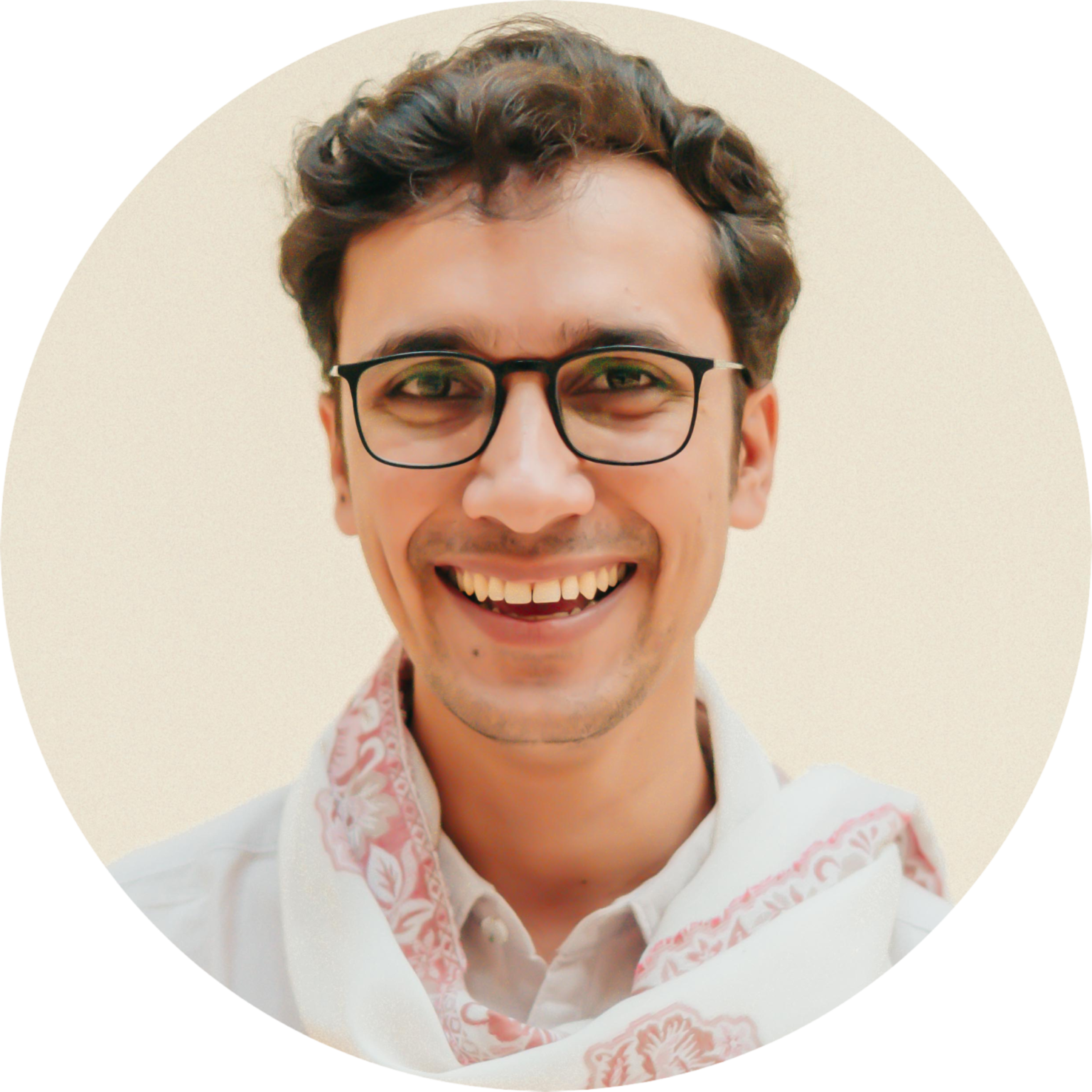
Shubham Negi
Roles Co-Director-Writer
Shubham Negi is a poet, writer, and director from Himachal Pradesh. He was one of the winners of Netflix and Film Companion’s TakeTen grant in 2024., through which he made his debut short film ‘Hills Don’t Dance Alone’, which had its world premiere at the Academy-Award qualifying Flickers’ Rhode Island International Film Festival in competition and its European premiere at the BFI Flare. It went on to screen at Tasveer, and emerged the winner of best International short at MISAFF ‘25. The film won the Best Narrative Short Award at Kashish Pride Film Festival 2026. It is currently in competition at the IRIS Prize ‘26.
He is also a two-time fellow of the QueerFrames Screenwriting Lab. His short film script ‘Makeup Room’ won the QDrishti short film grant 2025 at the Kashish Queer Film Festival and is currently in post-production. It is being produced by Neeraj Churi (Cactus Pears), Vikramaditya Motwane(Udaan, Un Certain Regard, Cannes), among others.
His short documentary ‘How Much Space Does a Firefly Take?’ won the Nagari Short Film Production Grant and is streaming on YouTube. His web show ‘Tuition’ was an official selection at the SWA Pitch Fest ‘25 and CineVesture Film Market ‘25. He also worked as a writing intern on Netflix’s Black Warrant’s Season 2.
In 2024, Netflix sent him to the Busan International Film Festival as part of its Fund for Creative Equity cohort.
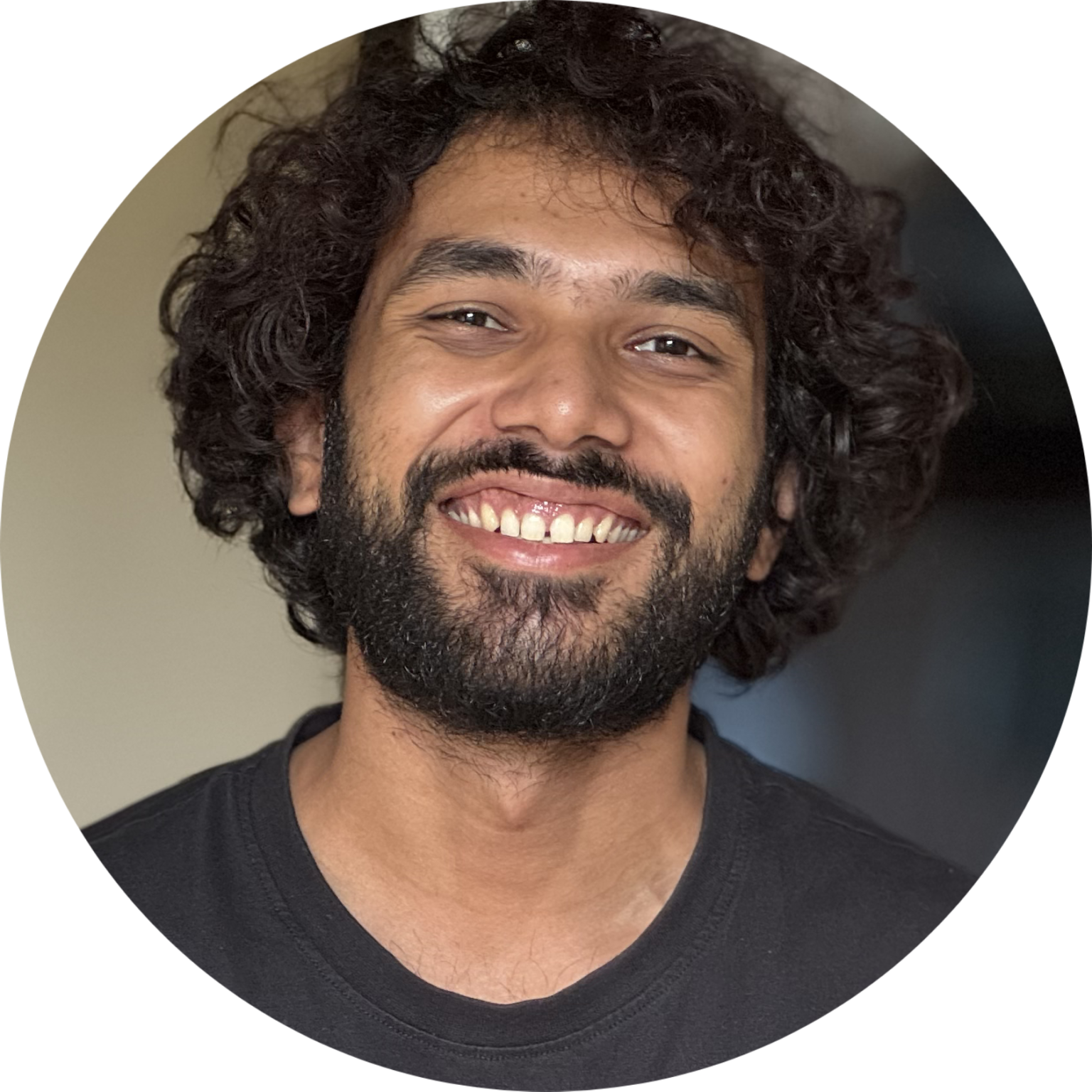
Sourav Yadav
Roles Co-Director-Writer · Cinematographer
Sourav Yadav is a filmmaker with experience in cinematography, writing, direction, colour grading, and editing across multiple formats.
His directorial debut short film, Malwa Khushan, was produced after winning the KASHISH QDrishti Grant 2022. The film screened at four Oscar-qualifying festivals, including Tasveer and Uppsala, competed at the BAFTA-qualifying IRIS Prize, earned him the Riyad Wadia Award for Best Emerging Indian Filmmaker in 2023, won the Golden Tanna Short Film Award at Freiburger Lesbenfilmtage, and was officially selected at the Dharamshala International Film Festival, Queer Screen’s Mardi Gras Film Festival, and the Taiwan International Queer Film Festival.
He was the cinematographer on Hills Don’t Dance Alone, Make up Room, and How much space does a firefly take? (Directed by Shubham Negi)
In 2025, he participated in a non-fiction residency programme by Sameera Jain, exploring the ethics of the gaze and the relationship between content and form. His latest short film as writer, director, and cinematographer, When Our Lip Colours Match, is currently in post-production.
For the past seven years, Sourav has dedicated himself to researching the anthropology of the Kinnaur Valley, spending extended periods with local communities to understand their customs, traditions, and ways of life, shaping the story of ‘Soma Helang’, his upcoming feature.

Neeraj Churi
Roles Lead Producer
Film Producer | Founder, Lotus Visual Productions | vision@lotusve.com
Neeraj Churi is a film producer of Indian-American origin. He began his journey in film production to champion stories that bring together the best of Indian and international talent. His work spans narrative and documentary features and shorts across India and the UK.
Through his company, Lotus Visual Productions, Neeraj provides mentorship and financial support to emerging filmmakers, particularly underrepresented voices in India. He serves as an advisor to the Tasveer Film Market (Seattle) and the Film Conclave (London), facilitating international co-productions and financing opportunities across the UK, India, and diaspora markets.
Key Achievements
- Producer of CACTUS PEARS (formerly titled Arms of a Man): Winner of the World Cinema Grand Jury Prize: Dramatic at the Sundance Film Festival.
- Producer of ABOUT AN INTIMATE MATTER: World Premiere at Busan Film Festival 2026 Window On Asia Section
- Producer of AMAN: Short film premiering at Toronto International Film Festival 2026 in Short Film Competition Section.
- Executive Producer of LOVERS IN THE BLUE NIGHT: Premiering at Venice Film Festival 2026 in Orizzonti section
- Co-producer of THE INK STAINED HAND AND THE MISSING THUMB: World Premiere at Karlovy Vary 2026 Proxima Competition section
- Producer of A PLACE OF OUR OWN: Recipient of the Audience Choice Award at SXSW 2023.
- Producer of HOLY CURSE: Short film that qualified for consideration at the 2026 Academy Awards.
- Producer of SHEER QORMA: Winner of the Audience Award at Frameline 2021.
- Production Coordinator for ALWAYS ASIFA: UK-based short documentary nominated for a BAFTA.
- Founder of Lotus Visual Productions: A company dedicated to supporting emerging filmmakers by providing grants and mentorship to underrepresented voices in India.
- Advisor to Film Markets: Serves as an advisor to the Tasveer Film Market in Seattle and the Film Conclave Film Market in London.